Partners in Flight is proud to highlight a newly accepted paper by five Colombian ornithologists that brings a refreshing, solutions‑focused perspective to diversity, equity, inclusion, and belonging (DEIB) in Neotropical ornithology. The authors write that “collaborative, diverse and inclusive science is critical for effective conservation,” noting that equitable governance and co‑produced knowledge consistently lead to stronger and more durable conservation outcomes. Their contribution, part of the Partners in Flight International Science Committee: Migratory Bird Conservation Tools and Applications special feature, distills what is working across the region, offering a clear-eyed look at progress while calling for deeper individual and institutional commitment.
The Authors
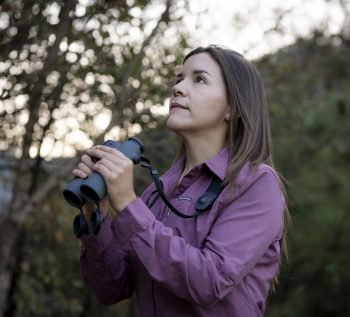
Ana Gonzalez

Alejandra Echeverri

Jenny Muñoz-Z
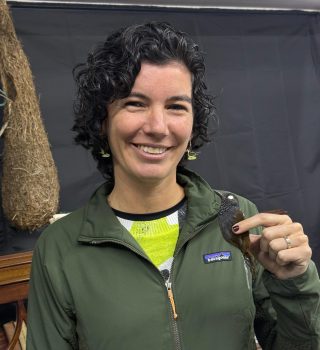
Natalia Ocampo-Peñuela
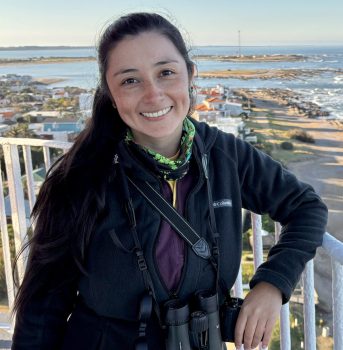
Juliana Soto-Patiño
The paper identifies six areas where meaningful advances are already reshaping the field: addressing bias through awareness and bias‑resistant systems; leadership and identity‑minded mentoring; targeted recruitment, training, and research funding; authentic partnership development; collaborative networks; and community engagement. These strategies are illustrated through concrete examples, from expanded training programs and translation grants to women‑led birding networks and inclusive conservation planning processes. As the authors note, “systematically dismantling structural barriers and centering collaborative approaches yields more inclusive, equitable, and effective outcomes in bird conservation.”
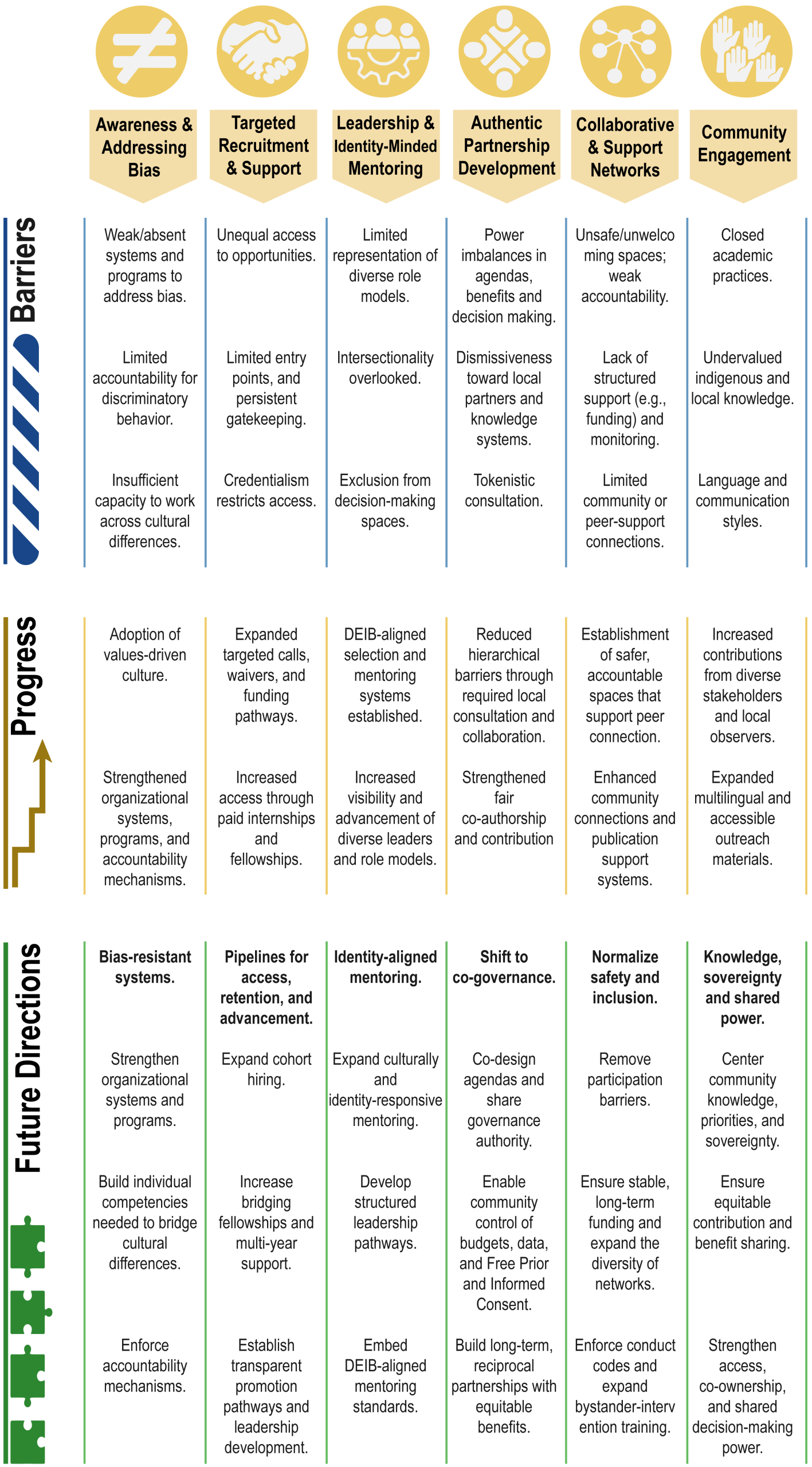
Real progress depends on individuals doing the inner work of examining their own biases, behaviors, and day‑to‑day interactions. The authors emphasize that “institutional efforts… work best when coupled with individual-level practices,” reminding us that inclusion is not a policy alone but a practice we each carry into our collaborations, fieldwork, and decision‑making. The authors also noted, “this work underscores that advancing DEIB is not a one-time effort but a continuous, daily practice, both for individuals and organizations, and serves as a valuable reminder of where we currently stand and how we can keep moving forward. ”
Ultimately, this paper is an invitation. It asks each of us across the Americas to consider how we fit into the systems our organizations are building, and how our personal commitments can strengthen the partnerships that underpin bird conservation. As the authors write, reversing bird declines requires approaches “that actively draw on co‑produced knowledge and inclusive governance,” and that work begins with all of us.
You can read the full article here: Soaring higher together: collaborative and inclusive science improves Neotropical bird conservation