Page 14 of 14
Informing Science-based Evaluation and Expansion of Protected Areas

A new study demonstrates an improved approach to ensure protected areas enhance and conserve biodiversity. The results of the study were used to inform expansion of the Cascade-Siskiyou National Monument.
Read more »Scientists Document Widespread Declines, Urgent Need for Conservation of Landbirds in U.S. and Canada

A new analysis of the population status and trends of all landbirds in the continental U.S. and Canada documents widespread declines among 450 bird species—a troubling indicator of the health of these species and their ecosystems.
Read more »Spatial and Strategic Guidance for Conserving Midwest Grasslands

by Kelly VanBeek Despite significant advances in conservation policy and land-use practice, stewards of Midwest grasslands face persistent challenges in sustaining the ecological and economic values of pasture, hayfield, and prairie ecosystems. The Midwest Grasslands Network with support from the U.S. Fish and Wildlife Service’s Midwest Division of Migratory Birds introduced a newly developed resource to […]
Read more »Birds Flying High Over the Great Lakes Have a New Strategic Plan

Every year, many bird researchers catch warblers, finches, thrushes and other feathered travelers to better understand their routes and migration patterns. A number of conservation initiatives seek to secure land to help species make their trek thousands of miles southward. But without a collective vision, these efforts may not be enough to protect birds in the Great Lakes region.
Read more »Analysis of long-term forest bird monitoring data from national forests of the western Great Lakes Region
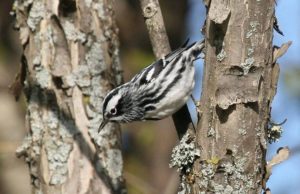
Abstract: Breeding bird communities in forests of the western Great Lakes region are among the most diverse in North America, but the forest environment in this region has changed dramatically during the past 150 years. To address concerns about loss of biodiversity due to ongoing forest harvesting and to better inform forest planning, researchers have […]
Read more »Migratory connectivity and health of riparian birds of the Pacific Northwest
A note from Partners in Flight British Columbia Our research is a tri-national collaboration among Environment and Climate Change Canada, University of British Columbia, Klamath Bird Observatory (OR, USA), San Pancho Bird Observatory (Nayarit, MX), University of Gaudalajara, and Tierra del Aves Bird Observatory (Veracruz, MX) to examine the full life cycle aspects of two riparian bird species in […]
Read more »Saltmarsh Habitat & Avian Research Program (SHARP) Update
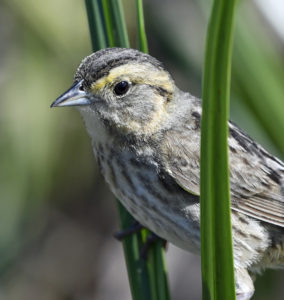
A note from our Partners in Flight Northeast Working Group coordinator Did you know that the only endemic breeding bird species (i.e., found nowhere else on earth!) in the Northeast Region has declined by 9% per year for more than a decade? Find out more about the plight of Saltmarsh Sparrow and other tidal marsh […]
Read more »Integrating the Species Assessment Databases for All Birds
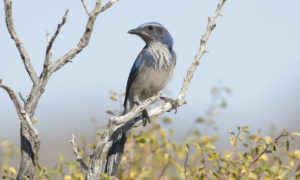
Until recently, the basic building blocks for bird conservation planning have rested largely in a related series of databases that assess the status of species across a set of conservation vulnerability factors. Yet differences in methodology, database structure and accessibility, and even philosophy among separate bird conservation partnerships have resulted in a confusing array of […]
Read more »Page 14 of 14