Mar
12
2017
Webinar: Strategic Spatial Tools for Conserving Midwest Grasslands Part 1

A recording of a webinar introducing The Conservation Atlas for Midwest Grasslands (by Andy Forbes, UMGLPV)
Read more » A recording of a webinar introducing The Conservation Atlas for Midwest Grasslands (by Andy Forbes, UMGLPV)
Read more »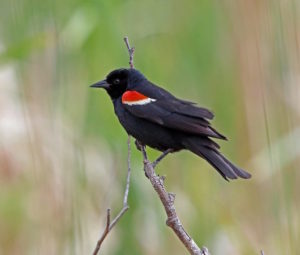
Tricolored Blackbirds experience large annual breeding losses associated with crop-harvesting activities and insufficient prey abundance.
Read more »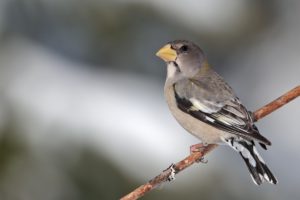
The Evening Grosbeak is featured on the cover of the 2016 PIF Landbird Conservation Plan, as it has the dubious honor of experiencing the steepest population decline (92% since 1970) of all landbirds in the continental U.S. and Canada.
Read more »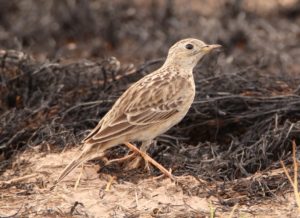
Sprague’s Pipit populations have strongly declined due to the extensive conversion of native prairies to agriculture across much of their range.
Read more »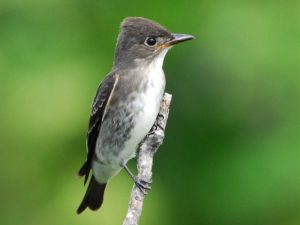
While harvested landscapes have increased throughout its breeding range, the Olive-sided Flycatcher has continued to decline, suggesting that conditions on the wintering grounds may be driving its negative population trend.
Read more »
As an extreme habitat specialist, the Bicknell’s Thrush has a very limited range, breeding primarily in high elevation stunted montane spruce-fir forests of the northeastern U.S. and southeastern Canada.
Read more »
Le Conte’s Thrasher is an uncommon resident throughout the desert and scrub habitats of the American southwest and northwestern Mexico.
Read more »
During the breeding season, Prothonotary Warblers are inhabitants of the wet forests of the eastern U.S., with the core of their breeding range in the southeast.
Read more »
The Canada Warbler inhabits shady forest undergrowth year round, making this species vulnerable to forest loss. Canada Warblers spend the majority of the nonbreeding season in the northern Andes, which is among the most threatened in the world, having experienced a 90% loss of forest due to agricultural expansion (cattle, coffee, coca) and fuel wood production.
Read more »
Lewis’s Woodpecker population declines are consistent with heavy loss of ponderosa pine habitat in Arizona, British Columbia, Oregon and Washington due to fire suppression, intensive grazing, and logging.
Read more »